
Heat stress occurs when the environment exceeds the comfort range of the crop and its Cooling mechanisms become insufficient.
In high-value fruit trees, heat stress translates into silent losses. Some of the damage is seen on the same day; other parts appear months later, in the form of weak buds, lower quality flowers, fruit in poorer condition, and lower productivity. This mix impacts profitability.
This article brings the concept of heat stress down to the Chilean agricultural reality, focusing on fruit trees such as cherry.
What is heat stress in plants and fruit
Heat stress is a survival response to high temperatures, intense radiation, high VPD, and dry air. The plant tries to dissipate heat through transpiration. This plant “sweat” works as long as there is water available and the environment allows stable evaporation.
When heat and vapor pressure deficit increase, the plant closes stomata to conserve water. This action reduces water loss and decreases CO₂ intake. Photosynthesis drops. The tree produces less energy just when it needs it most.
VPD in simple words: describes how much “thirst” the air has. High VPD accelerates the water outflow from leaves and fruit.
In cherries, the period after harvest coincides with reserve replenishment and floral differentiation. Heat stress in that window leaves a clear mark on the following season.
Why heat stress has become a strategic issue in Chile
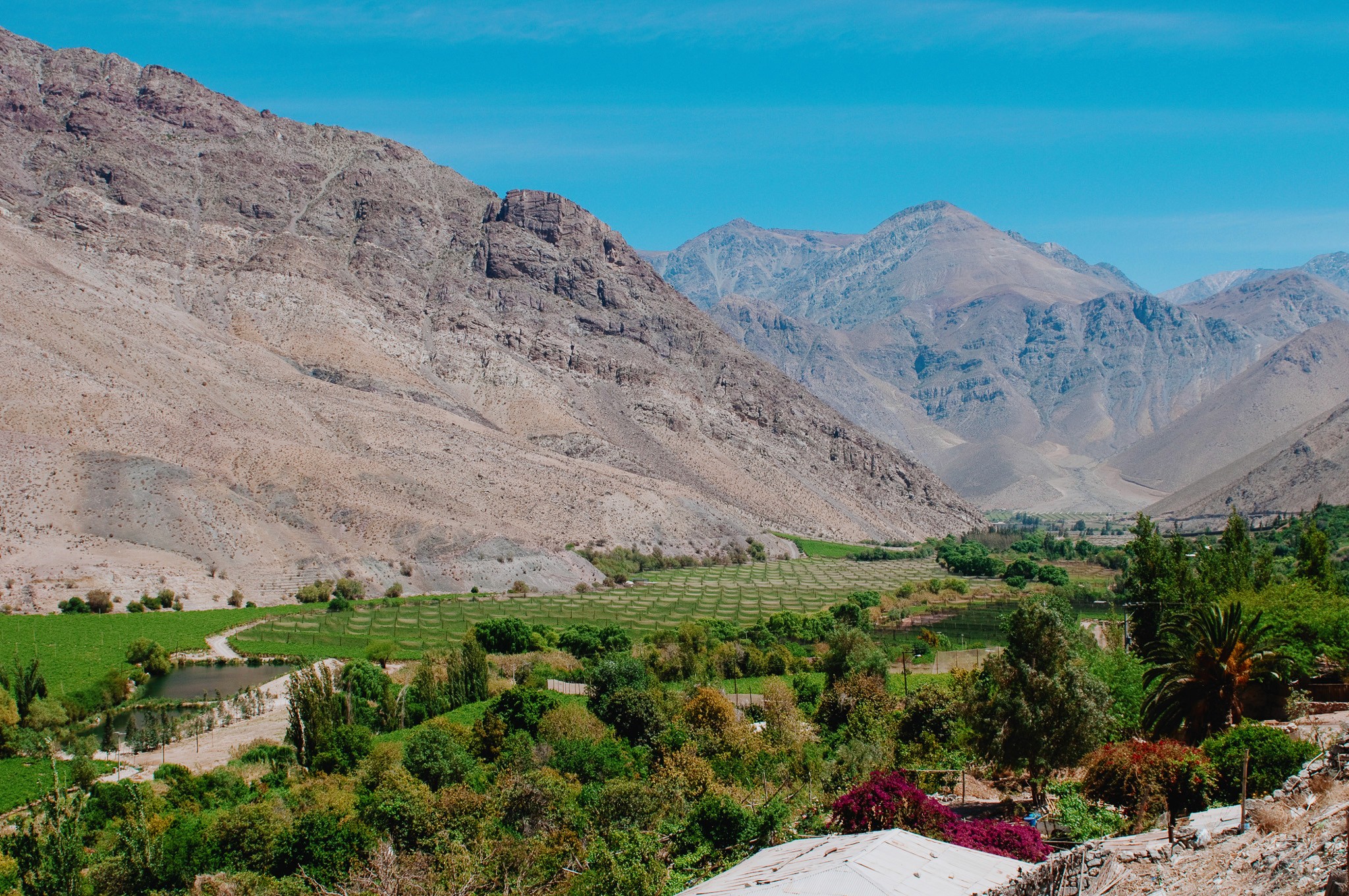
Heat waves occur more frequently and for longer durations in the central zone. The problem grows when heat arrives with dry soils and high evaporative demand. The orchard spends many hours above critical thresholds accumulating “thermal load.”
This load changes daily decisions and defines harvest schedules. It also raises the demand for pre-cooling and the value of shade.
Thresholds and moments of greatest risk
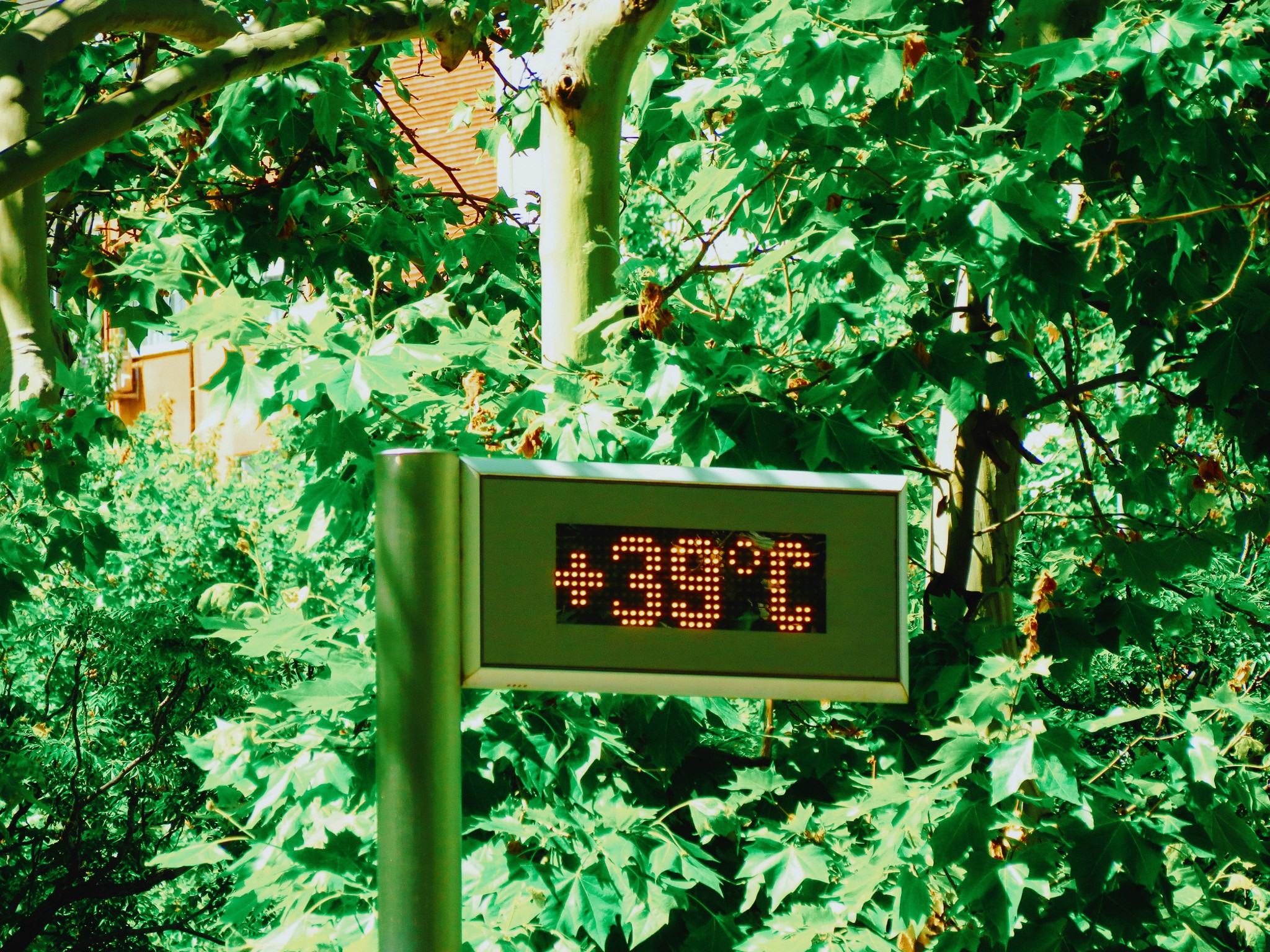
Each species and variety has its own range, and context matters. Nonetheless, many orchards start to feel the impact when the canopy is exposed for hours to maximums near 30 °C and the VPD remains high during the afternoon.
The most delicate moment arrives when the tree has already spent a lot on fruit and needs to replenish energy.
In post-harvest, the tree needs active leaves to replenish reserves and sustain floral differentiation. If heat and high VPD settle for several days, photosynthesis drops and replenishment becomes slow. This reality is expressed in the following season as less fruit set, along with greater sensitivity to spring frosts.
Signs in the orchard that indicate heat stress
Heat stress does not always appear as an immediate hit. Many times it appears as a gradual deterioration, with symptoms that can be confused with water deficit or nutritional management.
Look for these signs:
Leaves with reduced turgor during the hours of greatest radiation and slow recovery at sunset.
Sustained drop in orchard activity on hot days: shoots that stop, canopy that “shuts down.”
Fruit with higher risk of sun damage, early softening, loss of firmness, and off-standard color.
Greater pressure on irrigation: need to adjust frequencies and pulses to maintain transpiration.
If the orchard responds this way every time the thermometer rises, heat stress is already within the system.
What happens inside the plant when heat stress is activated
Heat disturbs cell membranes and accelerates oxidative reactions. The plant produces heat shock proteins and antioxidant compounds to protect tissues. This process consumes energy and reduces the available “budget” for growth, reserves, quality, and vigor.
At the same time, respiration accelerates. The tree uses carbohydrates to stay alive. The equation becomes demanding: less photosynthesis, more metabolic expenditure, more risk of dehydration, and lower reserve accumulation.
This explains a common pattern: orchards that seem “fine” during harvest and show their real loss later, with lower returns due to caliber, firmness, condition, and productivity.
Heat stress and water stress: the pair that triggers damage
Heat alone is already difficult to handle. Heat with low water availability accelerates the problem.
With limited water, transpiration decreases and Cooling is reduced. The tree raises its leaf temperature, closes stomata, and enters defense mode. This sequence affects the accumulation of reserves, complicates bud formation, increases susceptibility to subsequent events, and reduces vigor.
Managing heat stress requires monitoring temperature, radiation, humidity, soil, and irrigation together. This perspective changes the types of decisions made week by week.
How to control heat stress with a field management plan
Effective control combines measurement, operational discipline, and mitigation tools. The goal is to lower the microclimate temperature and sustain transpiration. This approach reduces hours under extreme conditions and improves uniformity.
1) Monitor with data that helps decision-making
Use stations or sensors that provide temperature, relative humidity, radiation, and VPD. Record maximums, nighttime minimums, hours above thresholds, and the weekly trend. This data guides irrigation, harvest, shade, and use of Cooling.
2) Adjust irrigation to sustain plant Cooling
Set frequencies and pulses that keep water available in the active zone. Irrigation sustains transpiration and allows the orchard to dissipate heat. Consider soil texture, load, phenological state, and weekly climate.
3) Protect fruit and bins from direct sun
Implement operational shadows in storage and transport areas. Reduce exposure time in the yard. Improve logistics to avoid waits under radiation.
4) Cool the orchard when the event demands it
Evaporative Cooling lowers temperature and raises relative humidity at critical moments. In Tierraverde, technologies such as Pulsator 205™ and Pulsemax 360° allow low precipitation Cooling cycles, with a fine drizzle that reduces thermal load without saturating the soil. The orchard enters the harvest with less “field heat” and the fruit reaches the next stage in better condition.
What a producer gains when controlling heat stress
Managing heat stress protects the condition of the fruit and also safeguards the productive potential of the following season. This double gain turns the issue into an investment.
The heat will continue.
The difference is made by preparation and the ability to measure and Cooling the system when the event occurs.