
Reports

How has Chile become globally recognized as a producer of premium fruit?

Science, cold chain, and cherries at peak time: how Chile turned rigor into premium value.

By:Álvaro Cáceres

Published: November 18, 2025

Loading the Elevenlabs Text to Speech AudioNative Player...

Chile transformed its geography, its health discipline, and a very unique public-private coordination into a value proposition that buyers worldwide associate with quality, safety, and traceability. The industry relies on international standards like GlobalG.A.P. and frameworks such as BRCGS Food Safety, while the sectorial brand engages with retailers and consumers through platforms like Fruits from Chile. This is reflected in robust export figures and a sustained preference for premium segments in North America, Europe, and Asia, backed by a consistent and verified origin narrative. The 2024/25 season closed with USD 9.460 billion FOB in fruit exports, with fresh fruit as the main contributor, marking a milestone that consolidates the sector at the heart of Chile's export model.

Technical Origin of Prestige

Chile's natural advantage transforms into a commercial advantage when there is an institutional framework to put it into daily operation. The Agricultural and Livestock Service registers orchards and plants, inspects at origin, and issues phytosanitary certifications that comply with specific protocols by species and destination. This architecture supports relationships with destination authorities and chains that demand recognized safety schemes. In the field, the adoption of GlobalG.A.P. is massive, and in packaging, frameworks like BRCGS and HACCP are combined to maintain traceability and advanced food risk management.

The prestige also grows due to consistent compliance in highly demanding markets, where the Chilean industry has operated for decades with detailed protocols and frequent inspections. This credibility reduces quarantine treatments that degrade the fruit and favors a longer post-harvest life, crucial for long journeys across the planet. The conclusion of the four reports is consistent: this “license to operate” is an asset built over years of technical discipline and coordination with buyers.

Commercial openness, cold chain infrastructure, and joint work between associations and public agencies complete the picture. The sectorial vision aligns with the promise that Chile projects as a place to invest in agriculture with counter-seasonal production, market access, and intensive use of technology, a triad that the country itself promotes globally through initiatives like the InvestChile blog.

The Commercial Strategy

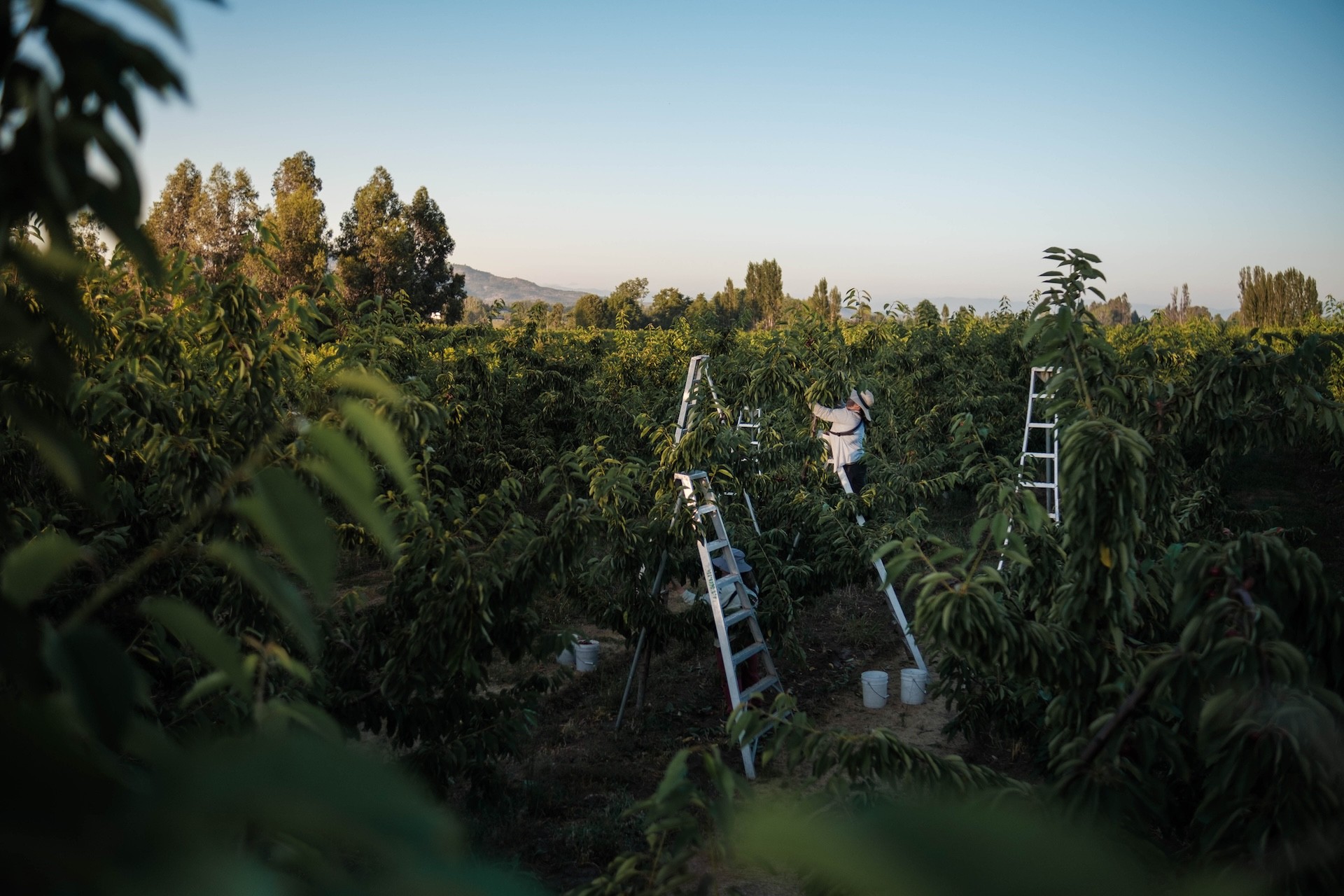
The synchronization between harvest in the Southern Hemisphere and consumption peaks in the north captures high-value windows. The cherry became a case study: in 2024/25 it led in value with 43.5% of total fruit exports and USD 2.890 billion, with nearly 90% of the volume focused on China, just in time for the Lunar New Year. These magnitudes illustrate a category that understands “market timing,” sizes, and conditions that the Asian consumer eagerly rewards.

The table grape showcases another facet of positioning: historical leadership in the United States, supplying winter shelves and a varietal conversion that enhances flavor, crunchiness, and shelf life. The industry now reports that 65% of shipments consist of new varieties that retail values for the consumer experience (Sweet Globe, Autumn Crisp, Timco, Allison, among others).

A key regulatory milestone strengthened this promise: the Systems Approach for grapes replaced bromide fumigation with origin inspection, elevating arrival condition and consistency on the consumer's table.

Chilean-European blueberries consolidate a pattern of segmentation: Europe absorbs a relevant fraction of the supply during the boreal winter season, with an emphasis on quality, firmness, and post-harvest management; the sector responds with new varieties and a growth in organic that improves the mix.

In apples and kiwis, the strategy aims to defend quality in markets where Chile is already synonymous with reliability, while nuts and stone fruits expand their portfolio and destinations focusing on product attributes and differentiation.

Technology and R&D: Precision, Data, and Genetics

The drought accelerated precision agriculture. Producers integrate sensors, telemetry, and irrigation automation to adjust each orchard block, saving water and energy while maintaining firmness and flavor. Reports document widespread adoption of technical irrigation, monitoring platforms, and remote sensing to plan harvest and manage climate risks.

Genetic improvement focuses on attributes that the market values: post-harvest life, size, and resilience to water stress. Chile promotes research lines with modern tools (including gene editing) and public-private networks that transfer innovation to the field. The innovation agenda prioritizes water efficiency, sustainability, and digitalization (FIA).
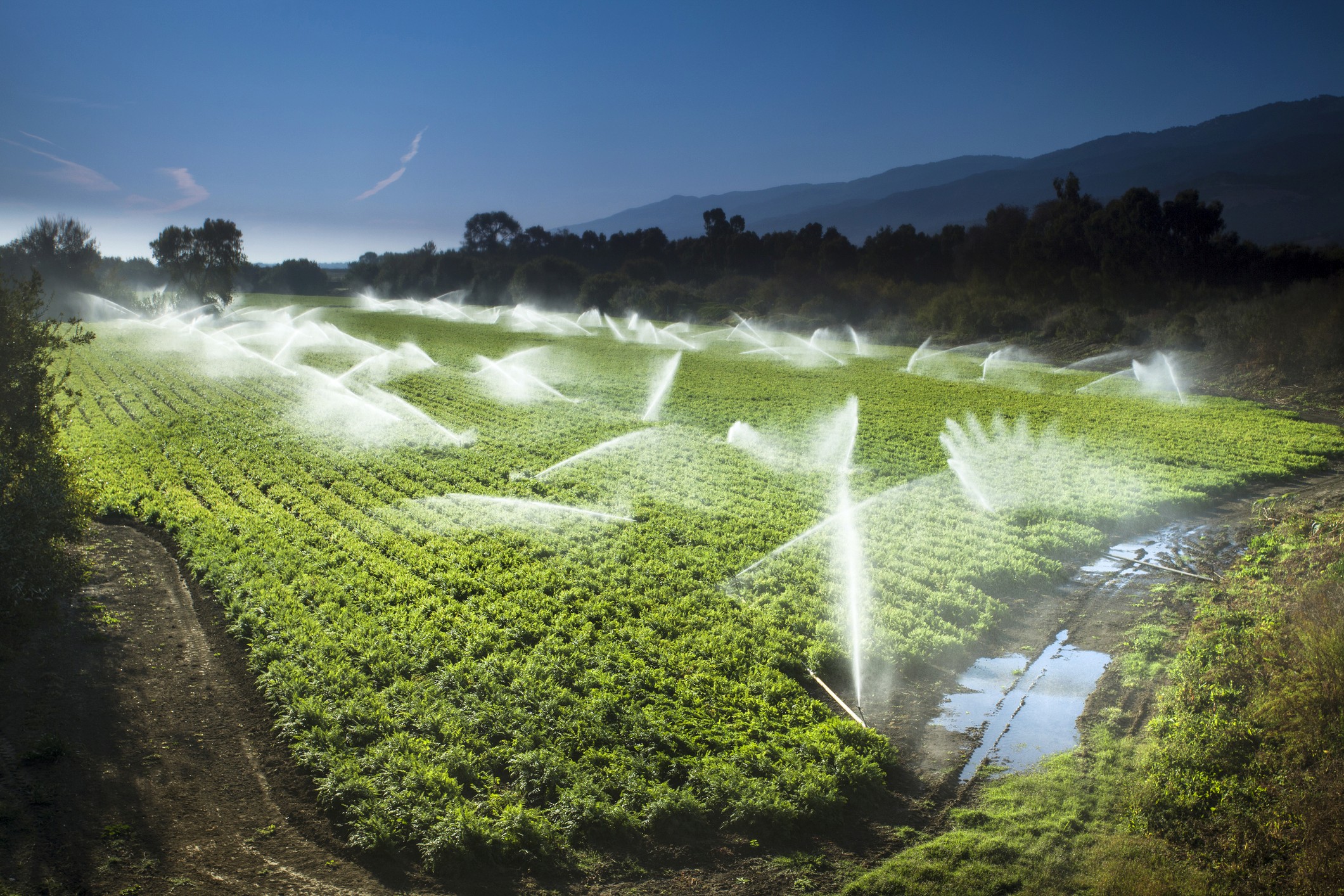
Success stories in premium varieties of grapes and blueberries show how genetics interact with logistics: defined sizes, crunchiness that withstands transport, and flavors that drive repeat purchases on the shelf. This convergence of field data, post-harvest, and varietal development supports the “premium” promise and shortens the gap between the quality harvested and the quality that arrives.

Competition and Roadmap

Regional competition is growing. Peru has quickly expanded in blueberries and grapes and pressures on price; trade analysts describe how this incursion forces a strategic shift from volume to added value, differentiating by flavor, texture, and post-harvest. The competitive pulse is read every season in specialized media such as FreshPlaza and sector reports, and all four reports agree on the diagnosis: Chile wins when competing in verifiable quality, consistency, and compliance.

Diversification is also important. While China will remain the cherry pivot, the United States and Europe offer depth in other categories with retailers paying for standards and service. Expanding destination mix by species reduces exposure and maintains margins in the face of price cycles or logistical shocks.

Varietal reconversion continues as a value lever. In grapes, the shift to varieties with superior crunchiness, sweetness, and shelf life already reaches two-thirds of shipments; in blueberries, the shift towards firmer genetics is gaining ground; in kiwi, harvest parameters are raised to standardize flavor and dry matter, with public goals from the sectorial committee aiming for a more predictable experience in demanding markets such as Europe and India (see update from the Kiwi Committee).

The water sustainability narrative is gaining strength. The adoption of technical irrigation and soil moisture monitoring improves productivity per drop and builds trust with buyers who consider environmental indicators. The avocado sector, for example, is actively working on practices and communication of efficient water use.

And the country's brand strategy continues to be refined. Coordination between guilds and international promotion, in addition to technical and commercial presence at fairs, builds preference. The objective is clear: to maintain price and turnover on the shelf with an offer that delivers what it promises, season after season. The final picture of the 2024/25 cycle supports the path: USD 9.460 billion FOB in fruit shipments, cherry as the value engine, and traditional categories that reposition with genetics, precision, and service.

In Conclusion

Chile has earned its place as a “premium” supplier with applied science, clear rules, and a chain that understands the details that move pricing. Geography helps, cold logistics help, but the difference lies in management: standards adopted with conviction, data to decide, genetics that support, and an origin story told with purpose. The next decade belongs to those who demonstrate quality with metrics, consistency with schedule, and sustainability with technology; that's the field where Chile plays hard.


Chile transformed its geography, its health discipline, and a very unique public-private coordination into a value proposition that buyers worldwide associate with quality, safety, and traceability. The industry relies on international standards like GlobalG.A.P. and frameworks such as BRCGS Food Safety, while the sectorial brand engages with retailers and consumers through platforms like Fruits from Chile. This is reflected in robust export figures and a sustained preference for premium segments in North America, Europe, and Asia, backed by a consistent and verified origin narrative. The 2024/25 season closed with USD 9.460 billion FOB in fruit exports, with fresh fruit as the main contributor, marking a milestone that consolidates the sector at the heart of Chile's export model.

Technical Origin of Prestige

Chile's natural advantage transforms into a commercial advantage when there is an institutional framework to put it into daily operation. The Agricultural and Livestock Service registers orchards and plants, inspects at origin, and issues phytosanitary certifications that comply with specific protocols by species and destination. This architecture supports relationships with destination authorities and chains that demand recognized safety schemes. In the field, the adoption of GlobalG.A.P. is massive, and in packaging, frameworks like BRCGS and HACCP are combined to maintain traceability and advanced food risk management.

The prestige also grows due to consistent compliance in highly demanding markets, where the Chilean industry has operated for decades with detailed protocols and frequent inspections. This credibility reduces quarantine treatments that degrade the fruit and favors a longer post-harvest life, crucial for long journeys across the planet. The conclusion of the four reports is consistent: this “license to operate” is an asset built over years of technical discipline and coordination with buyers.

Commercial openness, cold chain infrastructure, and joint work between associations and public agencies complete the picture. The sectorial vision aligns with the promise that Chile projects as a place to invest in agriculture with counter-seasonal production, market access, and intensive use of technology, a triad that the country itself promotes globally through initiatives like the InvestChile blog.

The Commercial Strategy

The synchronization between harvest in the Southern Hemisphere and consumption peaks in the north captures high-value windows. The cherry became a case study: in 2024/25 it led in value with 43.5% of total fruit exports and USD 2.890 billion, with nearly 90% of the volume focused on China, just in time for the Lunar New Year. These magnitudes illustrate a category that understands “market timing,” sizes, and conditions that the Asian consumer eagerly rewards.

The table grape showcases another facet of positioning: historical leadership in the United States, supplying winter shelves and a varietal conversion that enhances flavor, crunchiness, and shelf life. The industry now reports that 65% of shipments consist of new varieties that retail values for the consumer experience (Sweet Globe, Autumn Crisp, Timco, Allison, among others).

A key regulatory milestone strengthened this promise: the Systems Approach for grapes replaced bromide fumigation with origin inspection, elevating arrival condition and consistency on the consumer's table.

Chilean-European blueberries consolidate a pattern of segmentation: Europe absorbs a relevant fraction of the supply during the boreal winter season, with an emphasis on quality, firmness, and post-harvest management; the sector responds with new varieties and a growth in organic that improves the mix.

In apples and kiwis, the strategy aims to defend quality in markets where Chile is already synonymous with reliability, while nuts and stone fruits expand their portfolio and destinations focusing on product attributes and differentiation.

Technology and R&D: Precision, Data, and Genetics

The drought accelerated precision agriculture. Producers integrate sensors, telemetry, and irrigation automation to adjust each orchard block, saving water and energy while maintaining firmness and flavor. Reports document widespread adoption of technical irrigation, monitoring platforms, and remote sensing to plan harvest and manage climate risks.

Genetic improvement focuses on attributes that the market values: post-harvest life, size, and resilience to water stress. Chile promotes research lines with modern tools (including gene editing) and public-private networks that transfer innovation to the field. The innovation agenda prioritizes water efficiency, sustainability, and digitalization (FIA).

Success stories in premium varieties of grapes and blueberries show how genetics interact with logistics: defined sizes, crunchiness that withstands transport, and flavors that drive repeat purchases on the shelf. This convergence of field data, post-harvest, and varietal development supports the “premium” promise and shortens the gap between the quality harvested and the quality that arrives.

Competition and Roadmap

Regional competition is growing. Peru has quickly expanded in blueberries and grapes and pressures on price; trade analysts describe how this incursion forces a strategic shift from volume to added value, differentiating by flavor, texture, and post-harvest. The competitive pulse is read every season in specialized media such as FreshPlaza and sector reports, and all four reports agree on the diagnosis: Chile wins when competing in verifiable quality, consistency, and compliance.

Diversification is also important. While China will remain the cherry pivot, the United States and Europe offer depth in other categories with retailers paying for standards and service. Expanding destination mix by species reduces exposure and maintains margins in the face of price cycles or logistical shocks.

Varietal reconversion continues as a value lever. In grapes, the shift to varieties with superior crunchiness, sweetness, and shelf life already reaches two-thirds of shipments; in blueberries, the shift towards firmer genetics is gaining ground; in kiwi, harvest parameters are raised to standardize flavor and dry matter, with public goals from the sectorial committee aiming for a more predictable experience in demanding markets such as Europe and India (see update from the Kiwi Committee).

The water sustainability narrative is gaining strength. The adoption of technical irrigation and soil moisture monitoring improves productivity per drop and builds trust with buyers who consider environmental indicators. The avocado sector, for example, is actively working on practices and communication of efficient water use.

And the country's brand strategy continues to be refined. Coordination between guilds and international promotion, in addition to technical and commercial presence at fairs, builds preference. The objective is clear: to maintain price and turnover on the shelf with an offer that delivers what it promises, season after season. The final picture of the 2024/25 cycle supports the path: USD 9.460 billion FOB in fruit shipments, cherry as the value engine, and traditional categories that reposition with genetics, precision, and service.

In Conclusion

Chile has earned its place as a “premium” supplier with applied science, clear rules, and a chain that understands the details that move pricing. Geography helps, cold logistics help, but the difference lies in management: standards adopted with conviction, data to decide, genetics that support, and an origin story told with purpose. The next decade belongs to those who demonstrate quality with metrics, consistency with schedule, and sustainability with technology; that's the field where Chile plays hard.

Chile transformed its geography, its health discipline, and a very unique public-private coordination into a value proposition that buyers worldwide associate with quality, safety, and traceability. The industry relies on international standards like GlobalG.A.P. and frameworks such as BRCGS Food Safety, while the sectorial brand engages with retailers and consumers through platforms like Fruits from Chile. This is reflected in robust export figures and a sustained preference for premium segments in North America, Europe, and Asia, backed by a consistent and verified origin narrative. The 2024/25 season closed with USD 9.460 billion FOB in fruit exports, with fresh fruit as the main contributor, marking a milestone that consolidates the sector at the heart of Chile's export model.

Technical Origin of Prestige

Chile's natural advantage transforms into a commercial advantage when there is an institutional framework to put it into daily operation. The Agricultural and Livestock Service registers orchards and plants, inspects at origin, and issues phytosanitary certifications that comply with specific protocols by species and destination. This architecture supports relationships with destination authorities and chains that demand recognized safety schemes. In the field, the adoption of GlobalG.A.P. is massive, and in packaging, frameworks like BRCGS and HACCP are combined to maintain traceability and advanced food risk management.

The prestige also grows due to consistent compliance in highly demanding markets, where the Chilean industry has operated for decades with detailed protocols and frequent inspections. This credibility reduces quarantine treatments that degrade the fruit and favors a longer post-harvest life, crucial for long journeys across the planet. The conclusion of the four reports is consistent: this “license to operate” is an asset built over years of technical discipline and coordination with buyers.

Commercial openness, cold chain infrastructure, and joint work between associations and public agencies complete the picture. The sectorial vision aligns with the promise that Chile projects as a place to invest in agriculture with counter-seasonal production, market access, and intensive use of technology, a triad that the country itself promotes globally through initiatives like the InvestChile blog.

The Commercial Strategy

The synchronization between harvest in the Southern Hemisphere and consumption peaks in the north captures high-value windows. The cherry became a case study: in 2024/25 it led in value with 43.5% of total fruit exports and USD 2.890 billion, with nearly 90% of the volume focused on China, just in time for the Lunar New Year. These magnitudes illustrate a category that understands “market timing,” sizes, and conditions that the Asian consumer eagerly rewards.

The table grape showcases another facet of positioning: historical leadership in the United States, supplying winter shelves and a varietal conversion that enhances flavor, crunchiness, and shelf life. The industry now reports that 65% of shipments consist of new varieties that retail values for the consumer experience (Sweet Globe, Autumn Crisp, Timco, Allison, among others).

A key regulatory milestone strengthened this promise: the Systems Approach for grapes replaced bromide fumigation with origin inspection, elevating arrival condition and consistency on the consumer's table.

Chilean-European blueberries consolidate a pattern of segmentation: Europe absorbs a relevant fraction of the supply during the boreal winter season, with an emphasis on quality, firmness, and post-harvest management; the sector responds with new varieties and a growth in organic that improves the mix.

In apples and kiwis, the strategy aims to defend quality in markets where Chile is already synonymous with reliability, while nuts and stone fruits expand their portfolio and destinations focusing on product attributes and differentiation.

Technology and R&D: Precision, Data, and Genetics

The drought accelerated precision agriculture. Producers integrate sensors, telemetry, and irrigation automation to adjust each orchard block, saving water and energy while maintaining firmness and flavor. Reports document widespread adoption of technical irrigation, monitoring platforms, and remote sensing to plan harvest and manage climate risks.

Genetic improvement focuses on attributes that the market values: post-harvest life, size, and resilience to water stress. Chile promotes research lines with modern tools (including gene editing) and public-private networks that transfer innovation to the field. The innovation agenda prioritizes water efficiency, sustainability, and digitalization (FIA).

Success stories in premium varieties of grapes and blueberries show how genetics interact with logistics: defined sizes, crunchiness that withstands transport, and flavors that drive repeat purchases on the shelf. This convergence of field data, post-harvest, and varietal development supports the “premium” promise and shortens the gap between the quality harvested and the quality that arrives.

Competition and Roadmap

Regional competition is growing. Peru has quickly expanded in blueberries and grapes and pressures on price; trade analysts describe how this incursion forces a strategic shift from volume to added value, differentiating by flavor, texture, and post-harvest. The competitive pulse is read every season in specialized media such as FreshPlaza and sector reports, and all four reports agree on the diagnosis: Chile wins when competing in verifiable quality, consistency, and compliance.

Diversification is also important. While China will remain the cherry pivot, the United States and Europe offer depth in other categories with retailers paying for standards and service. Expanding destination mix by species reduces exposure and maintains margins in the face of price cycles or logistical shocks.

Varietal reconversion continues as a value lever. In grapes, the shift to varieties with superior crunchiness, sweetness, and shelf life already reaches two-thirds of shipments; in blueberries, the shift towards firmer genetics is gaining ground; in kiwi, harvest parameters are raised to standardize flavor and dry matter, with public goals from the sectorial committee aiming for a more predictable experience in demanding markets such as Europe and India (see update from the Kiwi Committee).

The water sustainability narrative is gaining strength. The adoption of technical irrigation and soil moisture monitoring improves productivity per drop and builds trust with buyers who consider environmental indicators. The avocado sector, for example, is actively working on practices and communication of efficient water use.

And the country's brand strategy continues to be refined. Coordination between guilds and international promotion, in addition to technical and commercial presence at fairs, builds preference. The objective is clear: to maintain price and turnover on the shelf with an offer that delivers what it promises, season after season. The final picture of the 2024/25 cycle supports the path: USD 9.460 billion FOB in fruit shipments, cherry as the value engine, and traditional categories that reposition with genetics, precision, and service.

In Conclusion

Chile has earned its place as a “premium” supplier with applied science, clear rules, and a chain that understands the details that move pricing. Geography helps, cold logistics help, but the difference lies in management: standards adopted with conviction, data to decide, genetics that support, and an origin story told with purpose. The next decade belongs to those who demonstrate quality with metrics, consistency with schedule, and sustainability with technology; that's the field where Chile plays hard.

Frequently Asked Questions about Pulsator 205™ & Pulsemax 360º

Why does using less water (1 mm/h) provide the same protection for my crop?

Are 3 mm/h really necessary to control frost?

What is the difference between total coverage and focused spray?

Does it work for all types of frosts? Radiative and polar?

To what temperature does the system provide protection?

Is more water needed when it gets colder?

Does the system start automatically, or does it require manual activation?

When should I activate the system?

When should I turn off the system?

How is the system installed?

Do you have your own technical team?

Frequently Asked Questions about Pulsator 205™ & Pulsemax 360º

Why does using less water (1 mm/h) provide the same protection for my crop?

Are 3 mm/h really necessary to control frost?

What is the difference between total coverage and focused spray?

Does it work for all types of frosts? Radiative and polar?

To what temperature does the system provide protection?

Is more water needed when it gets colder?

Does the system start automatically, or does it require manual activation?

When should I activate the system?

When should I turn off the system?

How is the system installed?

Do you have your own technical team?

Frequently Asked Questions about Pulsator 205™ & Pulsemax 360º

Why does using less water (1 mm/h) provide the same protection for my crop?

Are 3 mm/h really necessary to control frost?

What is the difference between total coverage and focused spray?

Does it work for all types of frosts? Radiative and polar?

To what temperature does the system provide protection?

Is more water needed when it gets colder?

Does the system start automatically, or does it require manual activation?

When should I activate the system?

When should I turn off the system?

How is the system installed?

Do you have your own technical team?