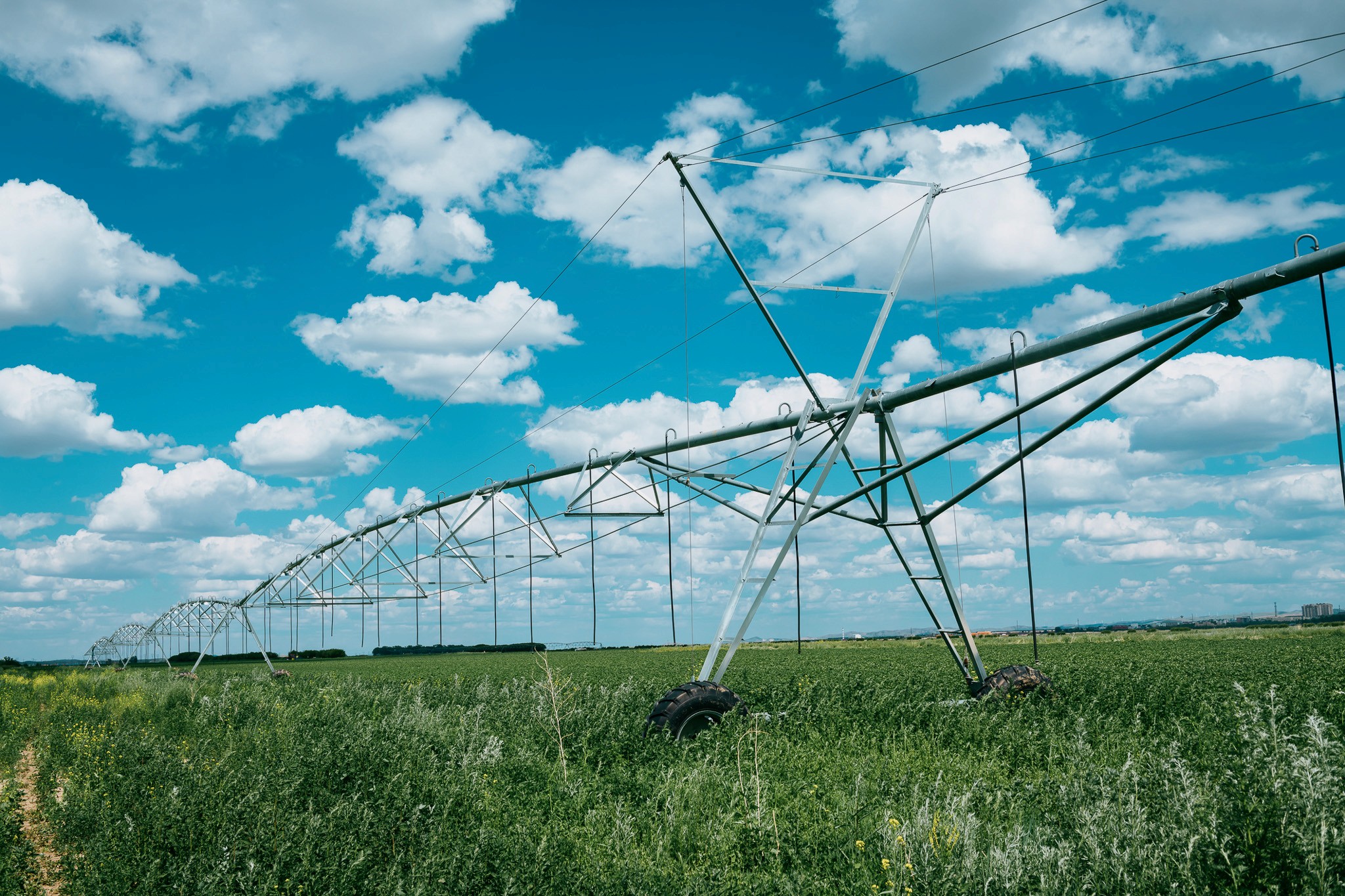

Overview and Urgency: Water as a Competitive Advantage
Chile is experiencing a prolonged water crisis. The accumulated drought has led to precipitation deficits of around 30% between Coquimbo and La Araucanía, with significant reservoir losses in Atacama, Coquimbo, O’Higgins, and Maule, a scenario that drives decision-making based on data rather than tradition (sectoral analysis). For Chilean agriculture, every efficiency point makes a difference in productivity, quality, and resilience (as we discussed in this post on water and Chilean agriculture).
In this context, smart irrigation ceases to be a “technological option” and becomes a business strategy. It integrates sensors, automation, and analytics to determine when, how much, and where to water. The result translates into well-used water, less stressed plants, and costs under control. And above all, producers regain control over their climate.
How It Works and Its Impact
Smart irrigation brings together four interconnected layers that orchestrate on-ground decisions:
Soil Moisture Sensors (IoT) measure at different depths and feed platforms that adjust layers in real-time (INIA technical insight).
Automated Weather Stations enable evapotranspiration calculations with key variables like radiation, wind, and humidity (methodological basis).
Satellite Images and Drones process indices like NDVI to anticipate water stress before it is visible (productive use).
AI Platforms cross-reference climate, soil, and phenology to provide irrigation and fertilization recommendations with sector-specific granularity (trends in applied AI).
The figures support it. Technified irrigation achieves efficiencies of 90–95% in drip systems and about 75% in sprinklers, compared to 30–40% from traditional methods (OPIA/FIA technical synthesis; efficiency data). With sensors and monitoring, various projects have recorded water savings between 20% and 40%, and even 50% in documented cases, along with significant reductions in fertilizer usage (FIA registered cases; synthesis of results).
Chile exports innovation in this field. For instance, the company WiseConn/DropControl operates in the Americas, managing and monitoring irrigation on a large scale, deployed over tens of thousands of nodes and hundreds of thousands of hectares, confirming that technology “made in Chile” scales and creates value beyond our borders (alliances and expansion; operational impact). INIA promotes autonomous solutions that schedule irrigation according to the real needs of plants and soil, with trials in stations like La Cruz and transfer projects in key regions (prototypes and pilots). Global suppliers like Rivulis integrate satellites, big data, and recommendations without additional hardware, opening a gateway for farms seeking rapid adoption (supplier in Chile).
The promise becomes practical when data activates valves, organizes schedules, and prioritizes sectors. Data and decisions, field and screen, efficiency and quality.
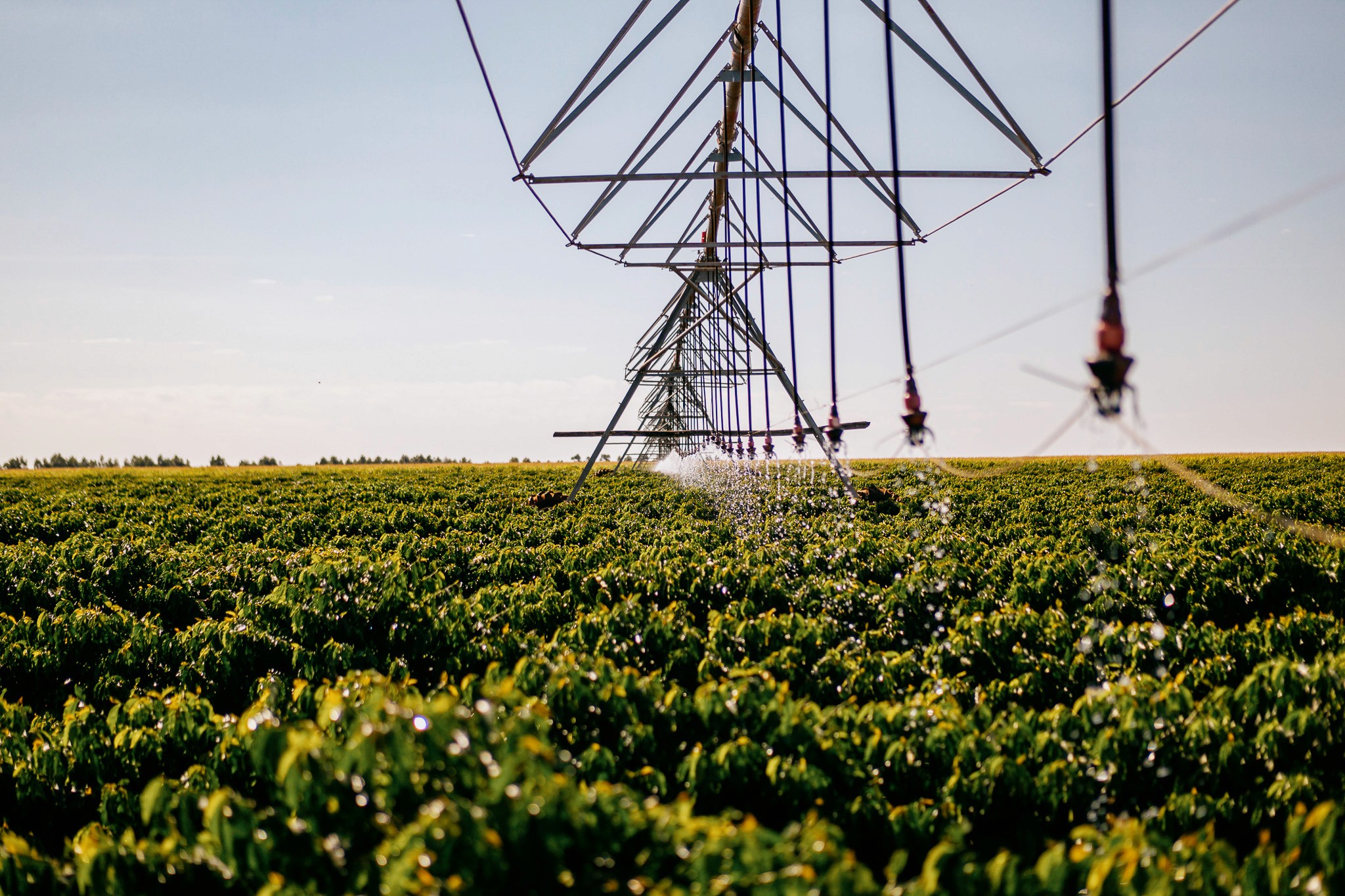
State, R&D and Territory: Conditions for Scaling
The Chilean framework has powerful instruments. The modernized Law 18.450 facilitates bonuses that can cover a high percentage of the total cost of projects for small producers, including technified irrigation, automation, and even renewable energies associated with the system (official site of the law; approval and validity). Additionally, the CNR manages contests and programs that have driven the adoption of pivots and frontal advances over thousands of hectares, with high concentration in Maule, Ñuble, and Biobío (regional data and milestones; window and statistics).
The evolution is evident in the technified surface. Between 2007 and 2021, the area with sprinklers and micro-irrigation grew from 303,000 to 464,000 hectares, an increase of over 50%, with room to continue advancing over traditional irrigation that still dominates a significant part of farms (irrigated surface balance). This growth coexists with an active ecosystem of R&D+i: international agreements like the INIA–South Korea work on smart irrigation for hazelnuts, blueberries, and avocado, which mixes AI, water demand monitoring, and satellite data (technological cooperation). FIA funds satellite IoT initiatives for areas without coverage and collective water management platforms in cooperatives (IoT outside coverage; collective irrigation management).
What Lies Ahead and Our Role: From Control to Leadership
The next wave is already dawning. The maturation of 5G will improve telemetry and real-time control at both farm and multisite scales, while thermal and multispectral drones will identify micro-zones with deficits before stress is expressed in fruit (connectivity and analytics; advanced monitoring). Nanotechnology in sensors and digital twins will allow fine simulations by block, anticipating climatic scenarios and assigning water with surgical precision (modeling trends). And agrivoltaic systems offer a dual opportunity: less evapotranspiration under panels and energy for pumping in the same hectare (dual opportunity).
To accelerate adoption, focus on four fronts. First, technological transfer with ongoing support, especially in small and medium agriculture (barriers and levers). Second, rural connectivity with hybrid solutions: mobile coverage where it exists and satellite IoT in isolated areas (applied connectivity; connected rurality). Third, interoperability: platforms that integrate sensors, climate, and images with open standards to facilitate future migrations (as we discussed in this post on Agrotech in Chile). And fourth, funding: advice for applying for Law 18.450 (official portal).
This is where Tierraverde's contribution comes in. Our work arises from engineering and translates into climate adaptation solutions that combine hydraulic design, automation, and precision technologies. The high-frequency, low-flow micro-pulse for cooling and frost control — such as Pulsator 205™ & Pulsemax 360º — helps protect high-value species on critical nights and enables thermal management strategies during heat waves to maintain quality and sellable weight (as we discussed in this post on water and Chilean agriculture). Furthermore, our technologies are open to different platforms and sensor and IoT systems, like those from Ingeap Agro (with whom we have an alliance) as well as other operational systems available on the farm. (operational integration).
The direction is clear. Smart irrigation means productivity, resilience, and traceability. In a country where every drop counts, the advantage lies in the correct combination of data, engineering, and fieldwork. When the climate changes minute by minute, taking control is no longer a promise; it is the way to continue growing with security, efficiency, and a long-term vision.